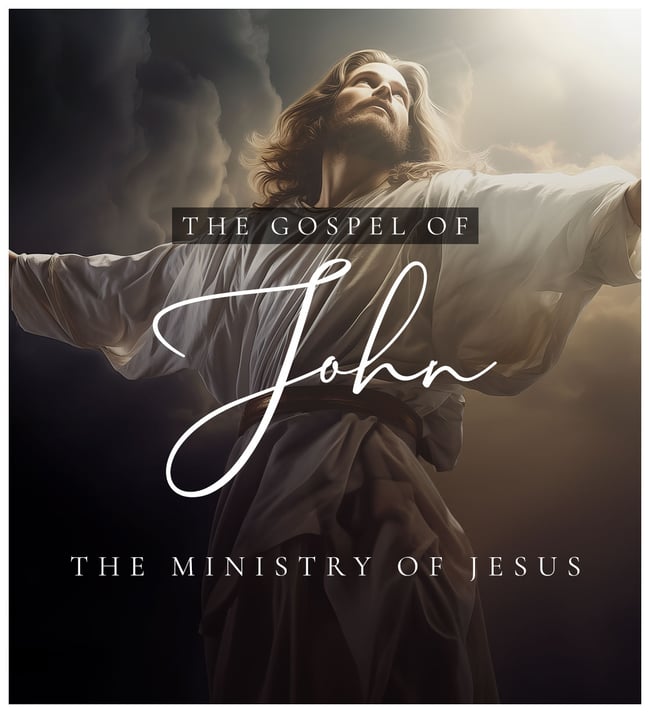
The Book of John, one of the four Gospels in the New Testament, presents a unique and profound portrayal of Jesus Christ. Written by the apostle John, this Gospel emphasizes the divinity of Jesus and His mission to bring eternal life to humanity. It opens with the poetic description of Jesus as the eternal Word who was with God in the beginning and is God. This sets the stage for understanding Jesus' divine nature and mission.
The first major section of John's Gospel covers Jesus' public ministry, during which He performs miraculous signs that reveal His divine authority and power. These miracles include turning water into wine, healing the sick, feeding the 5,000, walking on water, and raising Lazarus from the dead. Throughout this period, Jesus makes several profound "I Am" statements such as "I am the bread of life," "I am the light of the world," "I am the good shepherd," and "I am the resurrection and the life." These declarations affirm His identity and mission.
Explore the unique purpose and deeper themes of John's Gospel, revealing the profound identity of Jesus Christ.
The eternal Word enters human history, bringing light and life to all who believe.
Jesus’ first miraculous sign reveals His divine authority and foreshadows His transformative mission.
A conversation with Nicodemus uncovers the depth of God’s love and the promise of eternal life.
The life-changing encounter between Jesus and the Samaritan woman offers the gift of eternal satisfaction.
Compassion and power are displayed as Jesus restores a man at the Pool of Bethesda, challenging the legalism of the day.
The miracle that not only fed a multitude but also pointed to Jesus as the true Bread of Life.
At the Feast, Jesus makes a bold declaration, inviting all who thirst to come to Him and drink.
Jesus declares Himself as the light that dispels all darkness and offers true freedom.
Physical and spiritual sight are restored by Jesus, revealing who truly sees and who remains blind.
The intimate relationship between the Good Shepherd and His sheep, as Jesus offers protection and abundant life.
The dramatic and emotional resurrection of Lazarus demonstrates Jesus’ authority over life and death.
The significance of Jesus predicting His death, explaining the purpose and impact of His sacrifice.
Jesus introduces a new commandment centered on love, exemplified through His actions.
Jesus’ comforting words assure His disciples of the way to the Father through Him alone.
The vital connection between the believer and Christ, the source of all spiritual life and fruitfulness.
Jesus promises the Holy Spirit, who guides believers into all truth and empowers them in their walk with God.
The profound prayer of Jesus as He intercedes for His disciples and all who will believe in Him.
The trial of Jesus unfolds, filled with tension and fulfillment of prophecy, as He faces false accusations.
The final moments of Jesus’ earthly life and His ultimate sacrifice complete the work of redemption.
The resurrection of Jesus confirms His victory over sin and death.
Jesus reinstates Peter and calls for discipleship, focusing on love, service, and commitment to His mission.